ScreenSYS accelerates plant breeding through its AI-powered Doubled Haploid (DH) platform, enabling breeders worldwide to respond rapidly to climate and market challenges across all crops.
PARTNER WITH US →
ScreenSYS delivers the world’s first scalable AI-powered plant-agnostic DH technology.
Our platform overcomes the limitations of traditional DH methods.
Our AI discovery platform brings together crops,chemicals, in vitro culture parameters, and biological pathways to reducediscovery time up to 30 times, turning trial-and-error into predictiveprecision.
ScreenSYS has already developed protocols in maize, sunflower, soybean, wheat, and cassava proving ourplatform can accelerate breeding across all plant species worldwide.
Robotic workflows handle fragile plant cells 20 times faster than manual handling, enabling industry-scalerobust and consistent in vitro production of DH plants.
With a curated library of more than 250,000 diverse compounds, our engine reprograms single cells into embryos and plantlets, unlocking new possibilities across even the most recalcitrant crops.
DH breeding is transforming how new crop varieties are developed by cutting timelines, reducing costs, and boosting genetic gain. ScreenSYS brings this valuable technology to the next level by offering the first AI-powered, plant-agnostic DH platform, with demonstrated success across multiple plant species. We invite you to explore the benefits of our innovation.

Doubled Haploid technology enables breeders to create fully homozygous plants in a single step, saving multiple back-crosses which may take up to 10 years. DH technology accelerates the release of new varieties, boosts genetic gain, and ensures stronger, more predictable crop performance with the help of molecular markers.
Currently, DH technology has been industrialized only across few crops, often being limited to specific genotypes. ScreenSYS has developed the first plant-agnostics, AI-powered platform that works across virtually any crop, reducing costs, eliminating bottlenecks, and scaling breeding beyond today’s limitations.
We have successfully enabled proof-of-concept protocols in maize, sunflower, soybean, wheat, sugarbeet and dandelion. Our technology pipeline continues to expand to other crops and non-domesticated species, also advancing towards large-scale-production.
First of all, by tapping in ScreenSYS technology, breeders can significantly cut R&D time (up to 70%) to develop initial protocols incrops which currently lack DH plants. Further advancements of protocolefficiencies equip breeders with tools to reduce breeding cycles by up to 60%, boost annual yield gains up to 3%, and minimize production costs. This shortenstime-to-market, improves competitiveness, and enables faster responses to climate change and market demands.
Yes. DH creates pure, stable parent lines that form the ideal foundation for gene editing and hybrid breeding. This means CRISPR or other precision methods can be applied more effectively, ensuring traits like drought tolerance or pest resistance reach farmers faster.

More than 20 years' experience in plant research at LMU Munich and The University of Freiburg. Inventor of automated single plant cell handling and tracking, and of predictive phenotyping in microspore cultures.

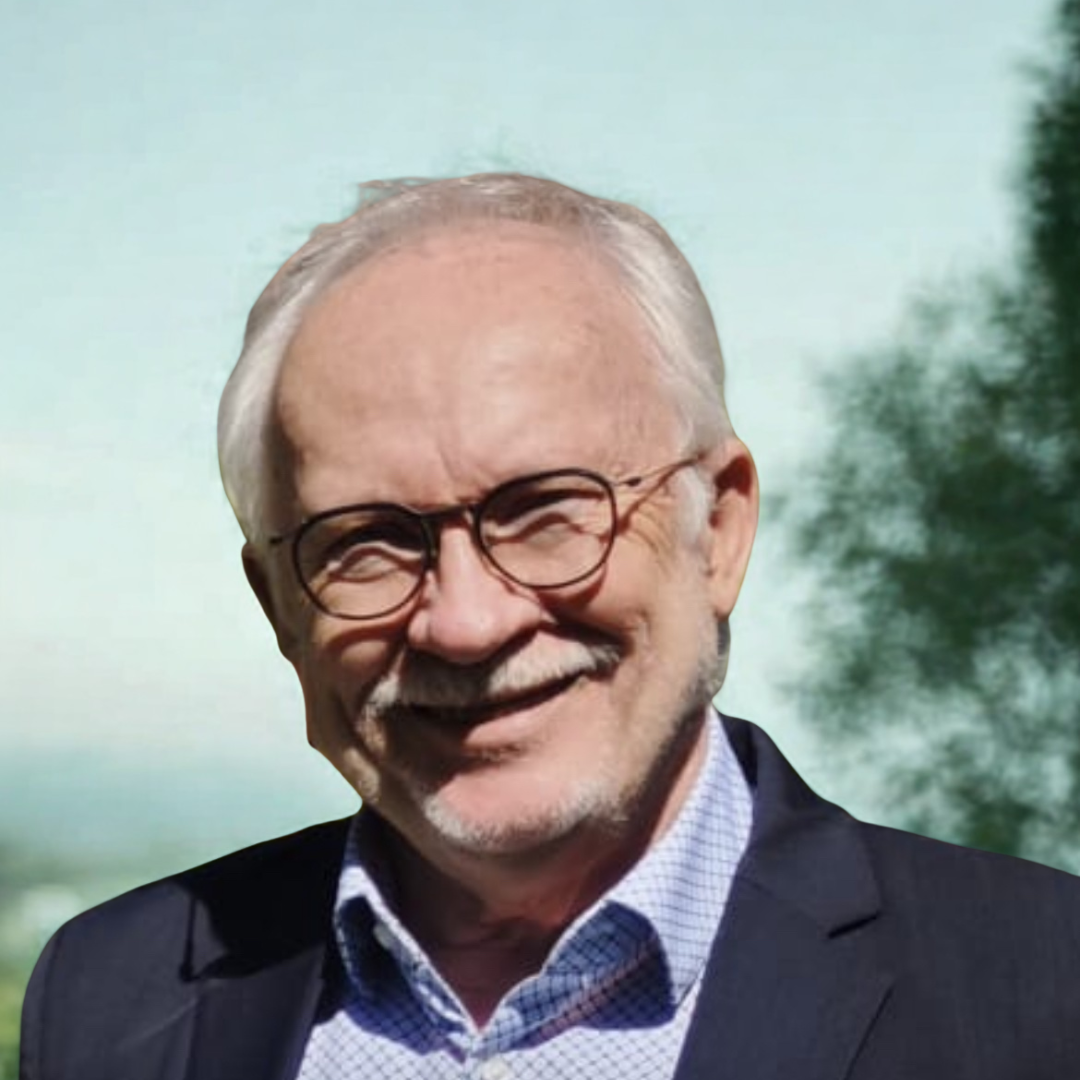
More than 30 years’ experience in plant research at The Salk Institute, Max-Planck Society and The University of Freiburg, amongst others. Renown expert in the field of plant signalling, molecular biology, genetics and systems biology.

More than 25 years’ experience in senior management, tech, digital innovation, as entrepreneur and as investor. He has been working among others at Charité, Boston Consulting Group, Deutsche Telecom and Bertelsmann.
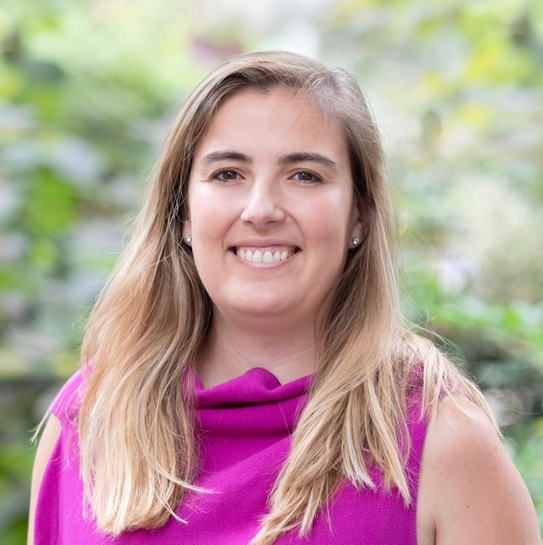
More than 15 years’ experience leading global marketing and growth across technology, financial services, and high-growth startups. Recognised expert in strategic brand building, go-to-market execution, and international growth.

More than 15 years’ experience leading innovation and strategic growth across climate tech, finance, and sustainability. Combines strategic foresight with executional excellence to build, fund, and scale breakthrough technologies.
We are regularly looking for talent like yours, check out our career page for more open opportunities.
Open positions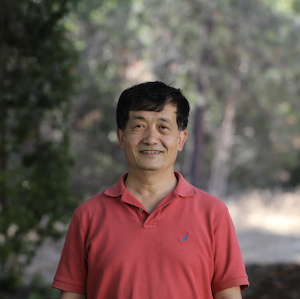
AAAS Fellow & Humboldt Research Prize Laureate; global authority in plant signaling and growth regulation.

Humboldt Research Award Laureate & Member of the German National Academy of Sciences Leopoldina; pioneer in plant genetics and molecular farming innovation.

Humboldt Research Award laureate & Fellow of the American Institute for Medical and Biological Engineering; pioneer in AI-driven cellular modeling and computational biology.

Former Head of R&D at KWS SAAT SE; expert in plant biotech strategy, public-private partnerships, and technology transfer in agricultural innovation.
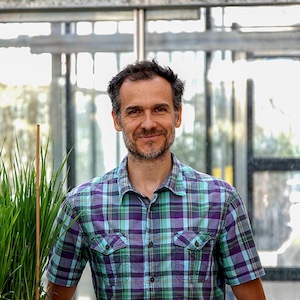
Director of the Julius Kühn Institute; award-winning expert in quantitative genetics and plant breeding innovation.
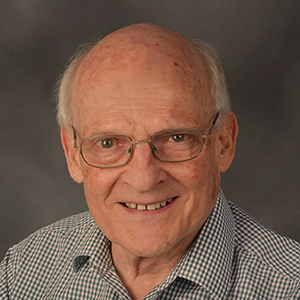
Fellow of the US National Academy of Sciences & Humboldt Research Award laureate; globally recognized for groundbreaking work in genetic code expansion and molecular biology.

Managing Director of Nordsaat & Spokesman of Saaten-Union; influential leader in European cereal breeding and agricultural innovation policy.
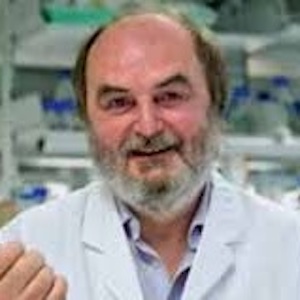
Foreign Member of the Hungarian Academy of Sciences & EMBO Member; leading expert in plant molecular genetics and transcriptional regulation.










Get in touch to learn more about how ScreenSys can help your breeding process.


.svg)